
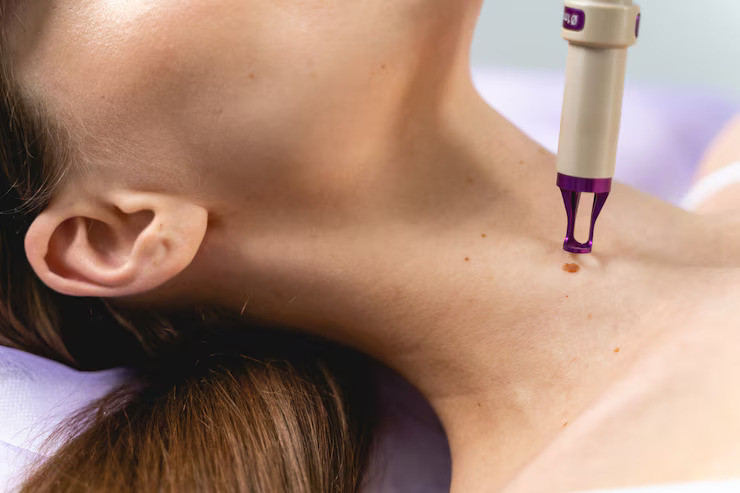
Mole removal is a common cosmetic and medical procedure that many individuals undergo for various reasons, ranging from aesthetic preferences to health concerns. Once a mole is removed, proper skin care becomes crucial to ensure optimal healing and minimize the risk of complications or scarring. Understanding how to care for your skin after mole removal can significantly impact the outcome of the procedure.
Immediately following mole removal, it is essential to keep the treated area clean and protected. Your healthcare provider will likely apply an antibiotic ointment and cover the site with a bandage. It is important to follow their instructions regarding wound care meticulously. Typically, you will need to clean the area gently with mild soap and water once or twice daily, then reapply an antibiotic ointment as directed. Keeping the site covered with a sterile bandage helps protect it from bacteria and other contaminants that could cause infection.
Avoiding sun exposure on the treated area is critical in preventing pigmentation changes or darkening of the scar tissue. The new skin forming over where the mole was removed is particularly sensitive to UV rays. Therefore, applying sunscreen with at least SPF 30 when going outdoors or wearing protective clothing over the area knee wart treatment can help shield it from harmful sun damage.
It’s also advisable not to pick at any scabs that form during healing; although this might be tempting, disturbing them can lead to increased scarring or even infection. Allowing your body’s natural healing process without interference ensures better results in terms of cosmetic appearance.
Moisturizing plays a significant role in post-removal skincare as well. Using fragrance-free moisturizers can help maintain hydration in your skin while reducing itchiness around the healing site—common during recovery phases due to new cell formation.
Monitoring for signs of infection such as redness extending beyond normal margins, excessive swelling, pus discharge, or increased pain should prompt immediate consultation with your healthcare provider for further evaluation and management if necessary.