
"Scam Likely" is a designation that appears on caller IDs when telecommunications providers and applications detect potential fraudulent activity. Advanced algorithms analyze various call data patterns, including frequency, origin, and user reports, to identify suspicious calls. The increase of these notifications reflects the growing prevalence of phone scams and the response from service providers to enhance consumer safety. Scammers often employ sophisticated tactics, such as impersonating trusted entities, contributing to public anxiety and trust issues. Understanding the nature of these tactics can empower users to recognize and combat scams effectively. Further insights into this issue reveal critical strategies for protection.
Key Takeaways
- "Scam Likely" calls are flagged by telecom providers using algorithms that analyze call patterns and user reports to identify potential scams.
- Scammers utilize advanced technology and social engineering tactics, leading to an increase in unsolicited calls to consumers.
- Increased call frequency is driven by automated dialing systems, making it easier for scammers to reach multiple individuals quickly.
- Consumers experience heightened anxiety and diminished trust in legitimate communications due to persistent scam call interruptions.
- To combat these calls, consumers can use call blocking apps, adjust carrier settings, and report suspicious calls to authorities.
Understanding "Scam Likely" Calls
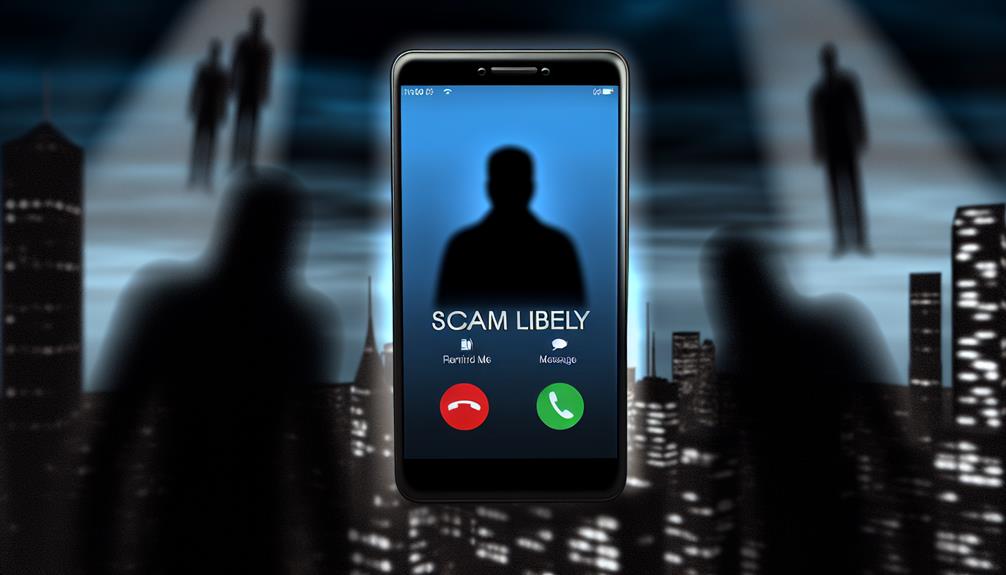
In recent years, an increasing number of phone users have encountered "Scam Likely" calls, which are identified by their designation on caller ID systems. This labeling is a result of advanced scam detection technologies that analyze call patterns and behaviors, alerting users to potential fraud. Telecommunications companies employ algorithms that assess the likelihood of a call being a scam based on various criteria, including call origin and frequency. In addition to this, effective strategies for job seekers can help navigate the complexities of modern communication. Caller verification processes further enhance this protective mechanism, ensuring that legitimate calls are not mistakenly categorized. As users become more reliant on their devices for communication, understanding these features is essential for fostering a sense of security and belonging within their social networks, ultimately promoting informed decision-making in a digital landscape fraught with risks.
How Caller ID Works
Utilizing a combination of signaling protocols and databases, Caller ID functions by transmitting the calling party's information to the recipient's phone before the call is answered. This caller identification technology allows users to see the number and, in some cases, the name of the caller, facilitating informed decision-making. The process involves the exchange of data between telephone networks, enabling the recipient to discern legitimate calls from potentially fraudulent ones. However, call spoofing techniques have emerged, allowing malicious actors to manipulate Caller ID information, presenting themselves as trusted contacts or organizations. This manipulation not only undermines the effectiveness of Caller ID but also poses significant challenges for consumers seeking to protect themselves from unwanted calls and scams. Understanding these intricacies is essential for informed communication, much like how the ergonomic design of controllers enhances user experience in gaming.
The Rise of Phone Scams
A significant increase in phone scams has been observed over recent years, highlighting a growing concern for consumers and regulatory bodies alike. Recent events, such as the ongoing health challenges faced by public figures like Bruce Willis, underscore the vulnerabilities that can arise when individuals are distracted or facing difficulties, making them more susceptible to scams Bruce Willis's health updates. The proliferation of sophisticated scam tactics has made it increasingly challenging for individuals to discern legitimate calls from fraudulent ones. Scammers leverage advanced technology and social engineering techniques to manipulate unsuspecting victims, often leading to significant financial losses. As these scams become more pervasive, consumer awareness is paramount. Educating the public about the various tactics employed by fraudsters can empower individuals to recognize and report suspicious calls. Consequently, fostering a community of informed consumers may deter scammers and promote safer communication practices. Regulatory measures should also evolve to address these challenges, ensuring a thorough approach to combating phone fraud.
Who Labels Calls as "Scam Likely"
Telecommunication providers and third-party applications play an essential role in identifying and labeling calls as "Scam Likely." These entities utilize advanced algorithms and machine learning techniques to analyze patterns in call data, evaluating factors such as caller ID information, call frequency, and user reports. This call labeling process is vital for enhancing caller identification accuracy and protecting consumers from fraud.
| Factor Analyzed | Description | Impact on Call Labeling |
|---|---|---|
| Caller ID Information | Validates the legitimacy of the caller | High |
| Call Frequency | Monitors how often a number calls | Moderate |
| User Reports | Collects feedback from users | High |
| Geographic Trends | Analyzes call origins | Moderate |
Through this systematic approach, telecommunication providers aim to foster a safer calling environment.
Common Types of Scams

Scams manifest in various forms, each designed to exploit human emotions and trust. The evolution of these tactics mirrors the changing landscape of communication, much like how P. Diddy influenced hip-hop's evolution through his innovative approach. Common types include impersonation scams, where fraudsters pose as trusted figures; prize and lottery scams that falsely promise monetary rewards; and tech support scams that leverage technical jargon to create a sense of urgency. Understanding these methods is essential for recognizing and combating the growing threat of fraudulent calls.
Impersonation Scams Overview
Impersonation schemes represent a significant threat in the domain of telecommunications, exploiting human trust to manipulate victims into divulging sensitive information or making unwarranted payments. The effectiveness of these scams can be attributed to various scam tactics that resonate with specific victim profiles.
| Scam Type | Description |
|---|---|
| Tech Support Scam | Victims are contacted under the guise of technical assistance. |
| Government Impersonation | Scammers pose as officials demanding payment for fines. |
| Financial Institution | Fraudsters impersonate banks to extract account details. |
| IRS Scams | Scammers claim tax liabilities, pressuring immediate payment. |
Understanding these patterns can empower individuals, fostering a sense of community awareness against such fraudulent activities.
Prize and Lottery Scams
Fraudulent schemes designed to deceive individuals often extend beyond impersonation tactics, encompassing a variety of strategies such as prize and lottery scams. These scams typically involve unsolicited prize notifications claiming that the recipient has won a substantial amount of money or valuable items. Victims are often directed to provide personal information or to pay fees upfront to claim their supposed lottery winnings. The allure of easy money can cloud judgment, making individuals susceptible to these manipulations. Additionally, these scams often exploit emotions, promising life-changing financial rewards. Awareness and skepticism are essential in recognizing these fraudulent activities, as legitimate lotteries do not require payment or personal information beforehand. Understanding these tactics can foster a sense of community vigilance against such deceptive practices.
Tech Support Scams
A significant number of individuals fall victim to tech support scams, which often prey on users' fears and confusion regarding their devices. These scams typically involve unsolicited calls, where fraudsters impersonate legitimate tech support representatives. They utilize various scam tactics, such as alarming claims about malware infections or system failures, to instill panic. Victims are then coerced into providing remote access to their devices or are tricked into making unnecessary payments for supposed services. Additionally, scammers may use fake websites that resemble reputable tech companies to lend credibility to their schemes. To protect oneself, it is essential to verify the source of any tech support communication and to refrain from sharing personal information with unverified contacts. Awareness is vital in combating these pervasive scams.
Why You Keep Receiving These Calls
With the rise of technology and telecommunications, the prevalence of scam likely calls has become a persistent issue for many individuals. Understanding why these calls continue to disrupt daily life is vital. Factors contributing to their frequency include:
- Increased call frequency: Scammers utilize automated dialing systems to reach multiple targets simultaneously, leading to a surge in calls. This method mirrors strategies used in other areas, such as winning strategies in casino games, where multiple approaches are employed to maximize outcomes.
- Caller persistence: Many scammers employ tactics that involve repeated attempts to connect, exploiting the potential for human engagement.
- Imitation tactics: Scammers often mask their identity by using local area codes, making their calls appear more legitimate.
These elements create an environment where individuals face constant interruptions, emphasizing the need for awareness and protective measures against such intrusive communications.
Impact on Consumers
The prevalence of "Scam Likely" calls markedly contributes to heightened anxiety levels among consumers, as the constant threat of fraudulent activity creates a pervasive sense of insecurity. This anxiety may result in diminished trust in legitimate communications, further complicating interactions and potentially leading to financial vulnerability. Understanding these impacts is essential for both consumers and policymakers in addressing the broader implications of such scams on public well-being.
Increased Anxiety Levels
Experiencing a surge in unsolicited "scam likely" calls has considerably heightened anxiety levels among consumers. The persistent nature of these disturbances can lead to increased stress and feelings of vulnerability. As individuals grapple with this modern nuisance, effective anxiety management becomes paramount.
To mitigate the psychological impact, consumers can adopt various coping strategies:
- Establishing call-blocking measures to reduce the frequency of interruptions.
- Engaging in mindfulness practices to enhance emotional resilience against stressors.
- Educating oneself on common scams to foster a sense of control and preparedness.
Financial Vulnerability Risks
Approximately 30% of consumers report feeling financially vulnerable due to the prevalence of scam likely calls, which not only disrupt daily life but also pose significant risks to personal finances. This vulnerability is exacerbated by a lack of financial literacy and insufficient vulnerability awareness, leaving individuals susceptible to fraud.
| Risk Factor | Description | Mitigation Strategy |
|---|---|---|
| Emotional Distress | Increased anxiety about finances | Financial education programs |
| Identity Theft | Potential loss of personal data | Stronger data protection |
| Financial Loss | Direct loss of money | Budgeting and monitoring |
| Misinformation | Misleading advice from scammers | Critical thinking workshops |
| Trust Issues | Wariness towards legitimate offers | Community support networks |
Enhancing financial literacy and vulnerability awareness can empower consumers to navigate these risks effectively.
How to Block Scam Calls
Blocking scam calls has become a necessary measure for individuals aiming to protect their personal information and reduce unwanted interruptions. Various methods exist to effectively mitigate these intrusive calls, allowing users to reclaim their communication channels.
- Utilize call blocking apps: Many apps are designed specifically to identify and block potential scam numbers, offering real-time protection.
- Adjust carrier settings: Most mobile carriers provide built-in features to block unwanted calls; enabling these settings can greatly reduce spam.
- Register with the National Do Not Call Registry: This official list helps prevent telemarketers from contacting you, contributing to a decrease in unwanted calls.
Implementing these strategies can foster a sense of security and community, ensuring individuals remain connected without the constant threat of scams.
Reporting Scam Calls

Reporting scam calls is a critical step in combating fraudulent activities and can aid in identifying patterns that help authorities take action. By recognizing common characteristics of these calls, individuals can provide valuable information to law enforcement and regulatory bodies. This collaborative effort enhances the collective ability to disrupt and reduce the prevalence of scam operations.
Recognizing Scam Call Patterns
Identifying scam call patterns requires a keen awareness of the tactics employed by fraudsters. Understanding scam call frequency and caller behavior can greatly enhance your ability to recognize these unwanted communications.
To effectively discern these patterns, consider the following indicators:
- Repeated calls from similar numbers, often with slight variations in digits.
- Urgent language used by callers, pressuring recipients to act quickly.
- Unfamiliar area codes that may not correspond to your local region.
Reporting to Authorities
Understanding the patterns and characteristics of scam calls is integral not only for personal awareness but also for contributing to broader efforts against fraud. Effective reporting procedures are essential for consumer protection, empowering individuals to take action against these deceptive practices. When receiving a suspected scam call, document relevant details such as the caller ID, time, and nature of the call. These records are vital for authorities in identifying patterns and targeting perpetrators. Reports can be lodged with agencies such as the Federal Trade Commission (FTC) and the Federal Communications Commission (FCC), which actively work to combat fraud. Engaging in this reporting process fosters a collective responsibility, enhancing community resilience against scams and protecting vulnerable members from financial harm.
Staying Safe From Scams
Scams have become increasingly sophisticated, making it essential for individuals to adopt proactive measures to safeguard themselves against potential threats. Understanding scam prevention tips and identifying red flags can greatly reduce the risk of falling victim to scams.
To stay safe, consider the following strategies:
- Be Skeptical: Always question unsolicited communication, especially requests for personal information.
- Verify Sources: Independently confirm the identity of callers or senders before engaging further.
- Educate Yourself: Stay informed about common scams and tactics used by fraudsters.
Frequently Asked Questions
Can Scammers Spoof "Scam Likely" Numbers to Trick You?
Scammers can indeed employ tactics to spoof "Scam Likely" numbers, utilizing sophisticated caller ID manipulation techniques. This practice allows them to present themselves as legitimate callers, potentially misleading recipients into answering. The effectiveness of these scam tactics hinges on the trust people have in their caller ID systems. As awareness grows regarding such deception, it becomes increasingly important for individuals to remain vigilant and skeptical of incoming calls, regardless of their displayed identity.
Are "Scam Likely" Calls Legal in the United States?
"Scam likely" calls, often generated by automated systems, are a response to scam detection algorithms that flag suspicious numbers. In the United States, the legality of these calls hinges on compliance with regulations governing caller verification and telemarketing practices. While they aim to protect consumers from fraud, the methods employed must align with the Telephone Consumer Protection Act. Consequently, while not illegal per se, their implementation raises ongoing discussions about consumer rights and privacy.
Do All Carriers Have the Same "Scam Likely" Identification System?
Carrier differences greatly impact the implementation of scam identification methods. While most major telecommunications providers utilize advanced algorithms and machine learning to flag potential scam calls, the criteria and thresholds for identifying such calls can vary. Consequently, the effectiveness of these systems may differ, leading to inconsistent user experiences. Understanding these variations can help consumers navigate and mitigate unwanted calls while fostering a sense of community awareness regarding the complexities of telecommunication practices.
How Do I Know if a Call Is Genuinely From a Scammer?
To determine if a call is genuinely from a scammer, utilize call screening technologies that analyze incoming calls for patterns indicative of fraud. Look for signs such as unfamiliar numbers, unsolicited requests for personal information, or high-pressure tactics. Additionally, cross-reference the caller's number with known scam databases. By adopting these strategies, individuals can enhance their ability to identify fraud, ultimately fostering a sense of security and belonging within their community.
Can "Scam Likely" Calls Harm My Phone or Personal Information?
"Scam Likely" calls typically do not directly harm your phone or compromise your personal information. However, they can pose risks if individuals engage with the caller or provide sensitive data. To enhance personal data protection, it is advisable to follow scam prevention tips, such as avoiding sharing personal details and utilizing call-blocking features on devices. Staying informed about potential scams can empower users to maintain their privacy and security effectively.


