
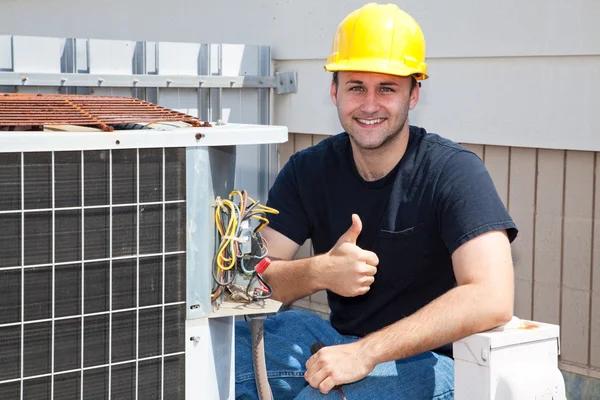
Property managers play a crucial role in maintaining comfortable and efficient living or working environments, and one of the most important systems under their care is HVAC (heating, ventilation, and air conditioning). Proper maintenance of HVAC units not only ensures occupant comfort but also helps extend equipment lifespan and reduce energy costs. To achieve these benefits, property managers must adopt a proactive approach to HVAC maintenance that prioritizes regular inspections, timely repairs, and effective communication with qualified technicians.
The foundation of expert HVAC maintenance begins with routine inspections. Property managers should schedule seasonal check-ups at least twice a year-typically before summer and winter-to prepare systems for increased demand. During these inspections, technicians assess key components such as filters, coils, belts, motors, and refrigerant levels. Replacing dirty air filters regularly is essential because clogged filters restrict airflow and force systems to work harder than necessary. This simple step can prevent unnecessary wear on parts while improving indoor air quality.
Attention to cleanliness is another critical factor in maintaining efficient HVAC operation. Dust accumulation on coils reduces heat transfer efficiency; therefore cleaning evaporator and condenser coils during service visits helps maintain optimal system performance. Additionally, clearing debris from around outdoor units prevents blockages that could impair airflow or cause overheating.
Monitoring refrigerant levels is vital since low refrigerant can indicate leaks that require immediate attention to avoid damage to compressors or other costly repairs. Property managers should ensure licensed professionals handle refrigerant recharging or leak detection due to environmental regulations governing these substances.
Efficient communication between property managers and tenants also contributes significantly to effective HVAC upkeep. Encouraging occupants to report unusual noises, inconsistent temperatures, or odors promptly allows issues to be addressed early before they escalate into major failures requiring expensive replacements.
Energy efficiency considerations are increasingly important in modern buildings as well. Upgrading older equipment with Energy Star-rated models can lower utility bills substantially over time while reducing environmental impact. Implementing programmable thermostats enables better control over heating and cooling cycles tailored to occupancy patterns rather than continuous operation.
Finally, maintaining detailed records of all service activities facilitates tracking system performance trends over time while supporting warranty claims if needed. These logs help identify recurring problems that may signal the need for component upgrades or full system replacement planning.
By adopting get more comprehensive information preventive maintenance practices focused on inspection schedules, cleanliness standards, professional servicing protocols alongside tenant engagement strategies property managers ensure reliable HVAC function aligned with cost-effectiveness throughout the lifecycle of their properties’ climate control systems.