
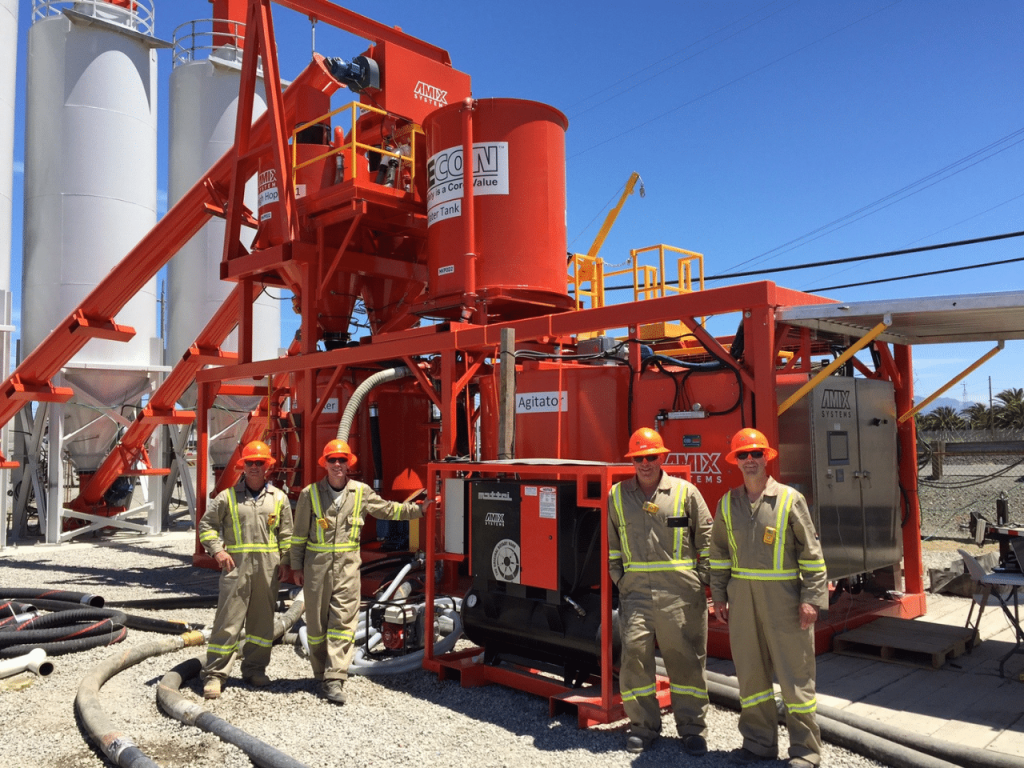
Cement grout injection is a widely used technique in construction for strengthening structures, sealing cracks, and improving soil stability. This method involves injecting a fluid mixture of cement, water, and sometimes additives into voids or cracks within concrete or soil to enhance its mechanical properties and durability. Proper execution of cement grout injection requires understanding the materials involved, equipment setup, mixing procedures, and application techniques to ensure optimal results.
The first step in any cement grout injection process is preparing the grout mixture. The standard composition includes Portland cement blended with clean water at a specific ratio to achieve the desired consistency. Additives such as plasticizers or retarders may be added to improve flowability and extend working time without compromising strength. It is crucial that the mixture remains fluid enough to penetrate fine cracks but viscous enough to avoid excessive bleeding or segregation during injection.
Before commencing the injection work, thorough site inspection is necessary to identify areas requiring treatment. Cracks in concrete structures or voids beneath foundations must be carefully mapped out using visual inspection tools or non-destructive testing methods like ultrasonic pulse velocity tests. Accurate identification helps determine appropriate pressure levels for pumping grout and prevents over-injection that could cause further damage.
Equipment selection plays a vital role in successful soil cement wall grout injection applications. High-pressure pumps capable of delivering consistent flow rates are preferred for deep injections where penetration into narrow spaces is critical. Injection ports are installed along affected zones at regular intervals; these serve as entry points through which grout enters the substrate under controlled pressure conditions.
During the actual grouting process, maintaining steady pressure ensures uniform distribution throughout targeted areas while minimizing risks such as blowouts or uncontrolled seepage beyond intended boundaries. Operators monitor pressures closely using gauges attached near injection ports while adjusting pump settings accordingly based on feedback from observed material behavior inside cracks or soil pores.
Post-injection curing is another essential aspect that influences final performance outcomes significantly-adequate moisture retention around treated zones enables proper hydration reactions within injected cement mixtures resulting in improved bonding strength between old substrates and new fill material created by hardened grout mass.
In addition to structural repair applications like crack sealing on bridges, tunnels, dams, and retaining walls; soil stabilization via permeation grouting enhances bearing capacity beneath foundations preventing settlement issues especially important when constructing heavy infrastructure on loose soils prone to liquefaction during seismic events.
In conclusion, mastering cement grout injection techniques demands careful planning from material selection through site preparation followed by precise execution involving correct equipment use combined with vigilant monitoring throughout operation phases ensuring durable repairs alongside enhanced safety margins across various construction scenarios worldwide.