
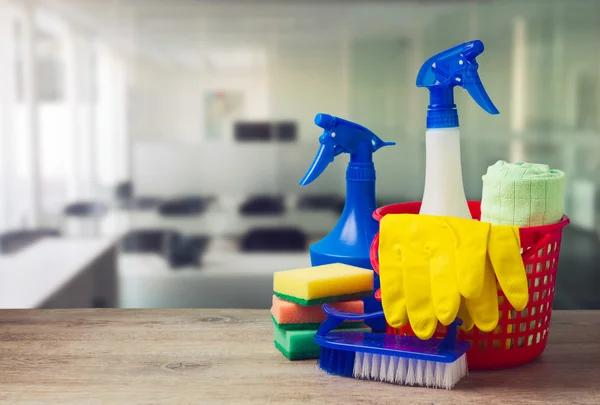
In the professional cleaning industry, maintaining high standards is essential to retaining clients and building a strong reputation. However, certain common mistakes can undermine even the most skilled cleaners, leading to client dissatisfaction and potential loss of business. One significant error is neglecting proper communication with clients. Failing to clarify expectations or confirm specific cleaning requirements can result in misunderstandings about what services are included. When clients feel their needs are overlooked or misunderstood, trust diminishes rapidly.
Another frequent issue arises from inconsistent quality in service delivery. Professional cleaning demands attention to detail and thoroughness every time a job is performed. If some areas are overlooked or surfaces remain dirty despite multiple visits, clients will question reliability and professionalism. This inconsistency often stems from inadequate training or rushing through tasks without following established protocols.
Using inappropriate cleaning products also poses problems that may cost clients’ loyalty. Different materials require specific solutions; for instance, hardwood floors need gentle cleaners rather than harsh chemicals that cause damage over time. Applying unsuitable products not only reduces effectiveness but can lead to costly repairs for the client’s property, which reflects poorly on the cleaner’s expertise.
Time management plays a critical role as well; arriving late or exceeding agreed-upon see all resources time frames disrupts schedules and creates frustration for customers who expect punctuality and efficiency. Overbooking appointments without allocating sufficient time per job compromises quality and demonstrates poor organizational skills.
Ignoring safety standards during cleaning procedures jeopardizes both employees’ health and client premises integrity. Proper use of protective equipment and adherence to recommended handling instructions prevent accidents while reinforcing professionalism within the team.
Failure to maintain equipment properly also affects performance outcomes negatively. Dirty mops, clogged vacuum filters, or worn-out tools reduce effectiveness in removing dirt and grime thoroughly.
Lastly, neglecting follow-up after service completion misses opportunities for feedback that could improve future interactions with clients. Proactively seeking opinions shows commitment toward continuous improvement rather than complacency once payment is received.
Avoiding these pitfalls requires ongoing education about best practices combined with clear communication channels between professionals and customers alike. Consistency in delivering high-quality results aligned with client expectations builds lasting relationships essential for success in this competitive market segment where reputation matters more than ever before.