
Air conditioning systems are essential for comfort during hot weather, but they can also contribute significantly to energy consumption and high utility bills. Improving the efficiency of your air conditioner not only helps reduce energy usage but also saves money over time. Understanding how to maintain and repair your unit properly can extend its lifespan and ensure it operates at peak performance.
One of the most effective ways to save energy is by regularly cleaning or replacing air filters. Dirty filters restrict airflow, forcing the system to work harder and consume more electricity. Checking filters monthly during heavy use periods ensures that airflow remains unobstructed, which improves efficiency and indoor air quality. Additionally, keeping the outdoor unit free from debris such as leaves, grass clippings, or dirt allows proper heat exchange, preventing overheating and excessive power draw.
Scheduling routine professional maintenance is another key factor in maintaining efficient operation. Technicians inspect refrigerant levels, clean coils, check electrical connections, and verify thermostat accuracy. Low refrigerant levels or dirty coils reduce cooling capacity while increasing energy consumption. Addressing these issues promptly prevents costly breakdowns and maintains consistent cooling performance.
Sealing leaks in ductwork can dramatically improve system efficiency as well. Leaky ducts allow cooled air to escape before reaching living spaces, wasting energy and causing uneven temperatures throughout the home. Properly sealed ducts ensure that conditioned air reaches its intended destination without loss.
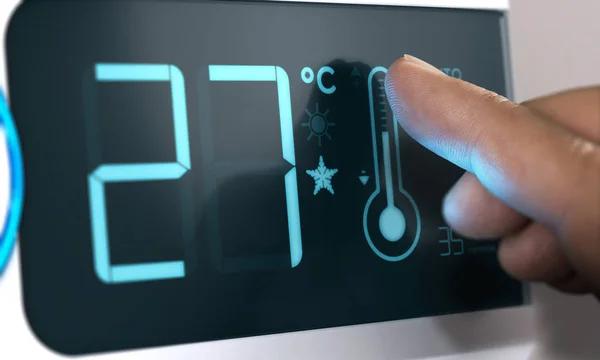
Upgrading older thermostats to programmable models offers additional savings by allowing users to set temperature schedules based read on occupancy patterns. Raising the temperature a few degrees when no one is home reduces unnecessary cooling without sacrificing comfort upon return.
If you notice unusual noises or reduced cooling effectiveness from your air conditioner, it may be time for repairs rather than replacement. Common problems include compressor issues, fan motor failures, or clogged condensate drains-all of which impact system efficiency if left unaddressed.
Using ceiling fans alongside your AC can help circulate cool air more effectively so you might be able to raise thermostat settings slightly while maintaining comfort levels indoors.
In summary, saving energy with your air conditioning involves regular filter changes, professional maintenance checks, sealing duct leaks carefully around vents and joints; upgrading thermostats; addressing minor repairs early; clearing outdoor units; plus using fans strategically within rooms served by central AC systems-all working together toward lower bills without compromising comfort throughout warm seasons ahead.