
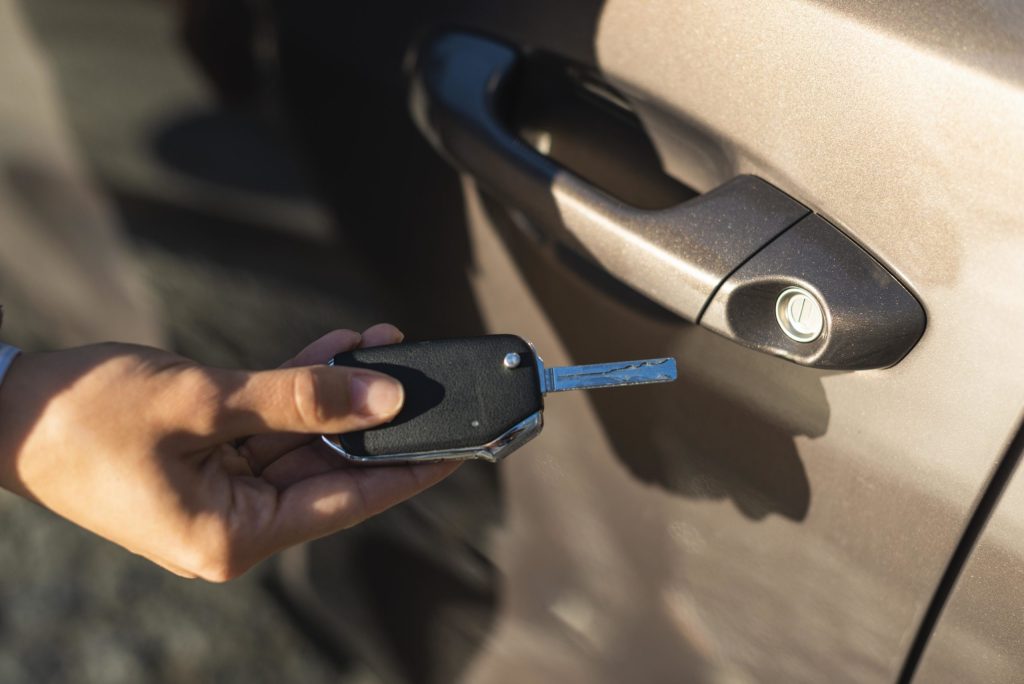
In recent years, the evolution of vehicle security has seen significant advancements, with high-security car keys at the forefront. These modern innovations have transformed how we protect our vehicles, making them more secure and less susceptible to theft. Understanding these technological advancements is crucial for both car owners and enthusiasts who seek to safeguard their investments.
High-security car keys are a sophisticated blend of technology and design aimed at enhancing vehicle protection. Unlike traditional keys, which were relatively simple in design and function, modern high-security keys incorporate complex systems that make unauthorized access exceedingly difficult. One of the most prevalent types of high-security car keys is the transponder key. Introduced in the mid-1990s, transponder keys contain a microchip embedded within them that communicates with the vehicle’s ignition system. When inserted into the ignition or brought within proximity to a start button in newer models, this chip sends a unique signal to an onboard computer system. If this signal matches what is stored in the system’s memory, only then will the engine start.
This added layer of security significantly reduces incidents of hot-wiring or using counterfeit keys to steal vehicles because any attempt without proper synchronization between key and vehicle results in failure to start. Another advancement is remote keyless entry (RKE) systems that allow drivers High security car keys explained to lock or unlock their cars from a distance using radio signals emitted by their key fob. Many modern vehicles now employ smart key technology as well—an extension of RKE—which allows for push-button starts without ever needing to remove your key from your pocket.
Moreover, rolling code encryption further enhances security measures associated with these devices; every time you use your smart or remote entry device it generates new codes preventing interception by potential thieves who might otherwise capture static codes used previously over open frequencies like those found on older garage door openers etcetera thus rendering obsolete past methods employed against vulnerable targets such as manually operated locks which lacked sophistication present today among contemporary alternatives available across market segments globally including luxury brands offering biometric authentication options integrating fingerprint recognition sensors directly onto dashboards consoles themselves!